Guide
Campervan conversion and the DVLA: registering a motor caravan
A converted panel van is not automatically a motorhome on paper. How your van is described in its documents can matter for tax, insurance and resale, and in Ireland a van conversion usually has to be declared. This guide explains how a conversion is recognised in the UK and Ireland, what the authorities want to see and which paperwork makes it easier.
When and how a conversion has to be reported depends on the country, the vehicle and what you change. This guide covers the United Kingdom and Ireland, with a short section for other countries. It reflects the position in October 2026 and does not replace advice from the authority responsible.
What makes a van a motor caravan
The UK, Ireland and the EU start from the same idea: a motor caravan is a vehicle with living accommodation that has at least the following.
| Feature | What officials typically look for |
|---|---|
| Seats and a table | seats fixed to the floor or side wall; the table mounting fixed, the table top may be removable |
| Sleeping accommodation | a fixed bed or seats that convert into a bed |
| Cooking facilities | fixed in place; for the DVLA at least a single-burner cooker or a microwave |
| Storage | cupboards or lockers for luggage and food, fixed in place |
A bed alone does not make a motorhome. Revenue in Ireland, for example, expects a living area you can reach from inside the vehicle, and a kitchen in the boot alone is not enough.
United Kingdom: changing the body type with the DVLA
In the UK you ask the DVLA to change the body type on the V5C registration certificate to ‘motor caravan’. The DVLA decides on the basis of your evidence and may ask to inspect the van. It pays for the inspection, but not for getting the van there, and if the van cannot be inspected, the application is refused.
According to the DVLA guidance updated in October 2026, the van needs the internal features above and these external features:
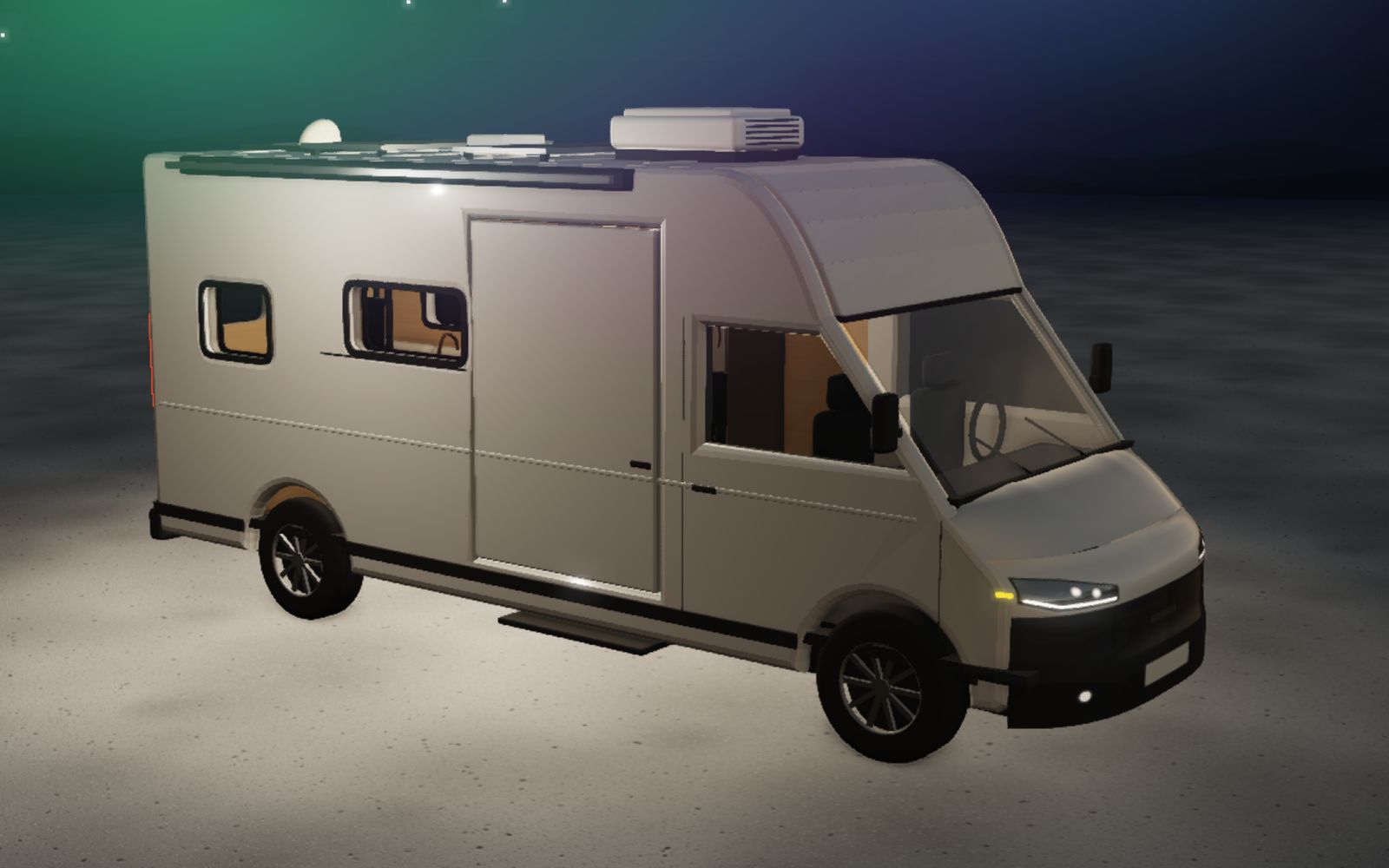
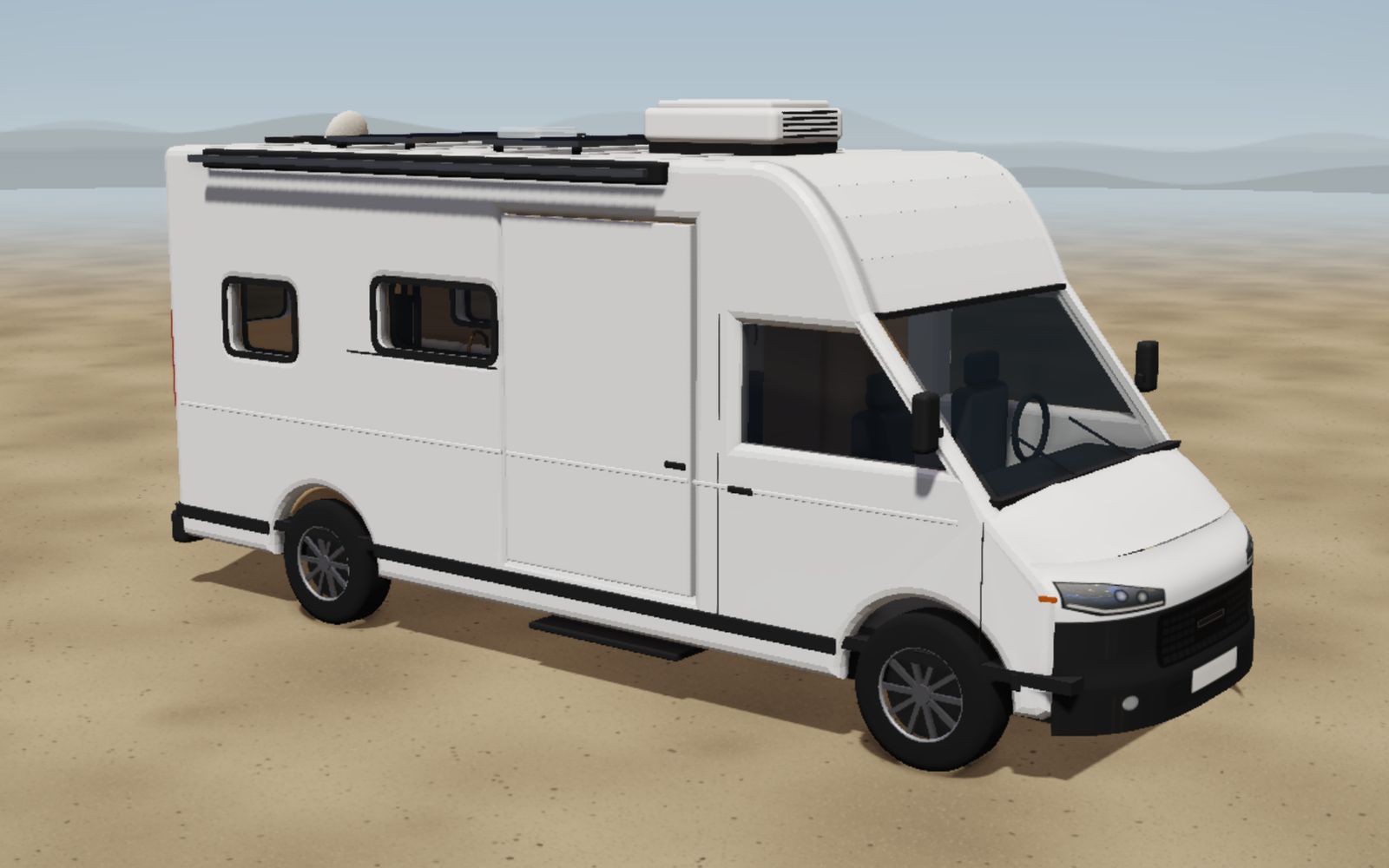
- two or more windows on at least one side of the main body, not counting the cab door windows
- a separate door into the living area, not counting the driver and passenger doors
- a high-top roof or a pop-top elevating roof
Earlier versions of the guidance listed other features. The DVLA says its policy has changed recently and that you can ask for a refused application to be reviewed. Read the current guidance on the government website before you decide on windows and roof.
The application is made on paper:
- Fill in the DVLA motor caravan conversion checklist.
- Take interior photos of each feature, with the bed and table set up, showing the two or more windows that let in daylight.
- Take exterior photos from the front, both sides and the rear with the number plates visible, plus a photo of the VIN or chassis number.
- Write a description, the date and the registration number on the back of each photo.
- Complete the relevant section of the V5C and send it to the DVLA in Swansea with the evidence.
According to the DVLA, the body type on its own should not change the insurance category or the speed limits, and you may use a van as a motor caravan without the change as long as it has the internal features. Insurers and buyers may still ask about the body type. Either way, tell your insurer about the conversion.
Weight, licence and safety in the UK
- Licence: a standard category B licence covers petrol and diesel vehicles up to 3,500 kg maximum authorised mass; for electric and other alternatively fuelled vehicles the limit is higher. If you passed your test before 1 January 1997, your licence usually also includes C1 for vehicles from 3,500 kg up to 7,500 kg. Check the categories on your licence.
- Uprating: some vans can be re-plated to a higher weight if axles, tyres and brakes allow it. Above 3,500 kg, other licence, testing and speed limit rules can apply, so look at the whole picture before you uprate.
- Gas: have any fixed LPG system fitted or checked by a qualified gas engineer and keep the certificate.
- Mains electrics: wiring with a hook-up and an inverter belongs in the hands of a qualified electrician.
- Seats and belts: make sure any seat used while driving has proper anchorages and seat belts, and ask an expert before you fit belts to a homemade bench.
Ireland: declaring the conversion to Revenue
In Ireland a conversion matters mainly for vehicle registration tax (VRT). If the category in field J1 of your vehicle registration certificate is B, C or D, or the field is empty, and you convert the vehicle to a motor caravan, you must declare the conversion to Revenue. You can do that online through MyEnquiries or by post to the National VRT Service. Revenue asks for:
- a copy of the vehicle registration certificate, both sides
- evidence of the CO2 and NOx emissions
- invoices showing the cost of the conversion
- up to six exterior photos: both sides, the front with the registration visible and the rear
- up to nine interior photos: the seating and table, bed, cooking, storage and views from the front and rear
The National VRT Service then classifies the vehicle and works out whether more VRT is due. Revenue’s guidance also says what it expects from a motor caravan: a person of average height should be able to stand and move around, the living space generally takes up the rear compartment with access from inside, side windows are expected, and gas cooking needs a gas installer certificate. A van with only a kitchen in the boot counts as a day van, not a motor caravan.
Ask your insurer before the conversion and again afterwards. On weight, a standard category B licence covers vehicles up to 3,500 kg in Ireland as well.
Other countries: how to find out
Many European countries use the same four-item minimum list, but what happens next varies a lot. In some, such as Germany, Switzerland and Austria, a technical inspection is required before the vehicle is registered as a motorhome; elsewhere a declaration is enough. Wherever your van is registered, these steps help:
- Find out which authority registers vehicles and which one inspects them, and ask before you start.
- Get the vehicle manufacturer’s body builder guidelines for roof, windows and anchor points.
- Keep the test certificates for seats, belts, windows and heater, and a certificate for gas and mains wiring.
- Weigh the finished van and compare the result with the maximum authorised mass.
Within the EU, a new driving licence directive has been adopted that will let category B drivers take motorhomes up to 4,250 kg after a training course or a test. It only applies once each country has written it into national law, so plan with 3,500 kg until then.
Paperwork that helps
- registration certificate and, if available, the manufacturer’s certificate of conformity
- body builder guidelines or approvals from the vehicle manufacturer for roof, windows and anchor points
- test certificates for seats, belts, windows, heater and other fitted parts
- certificates from professionals for the gas system and mains wiring
- a weighbridge ticket with total weight and axle loads
- photos of the bare build showing fixings, cables and pipes
- a layout with dimensions, a wiring diagram and a weight list
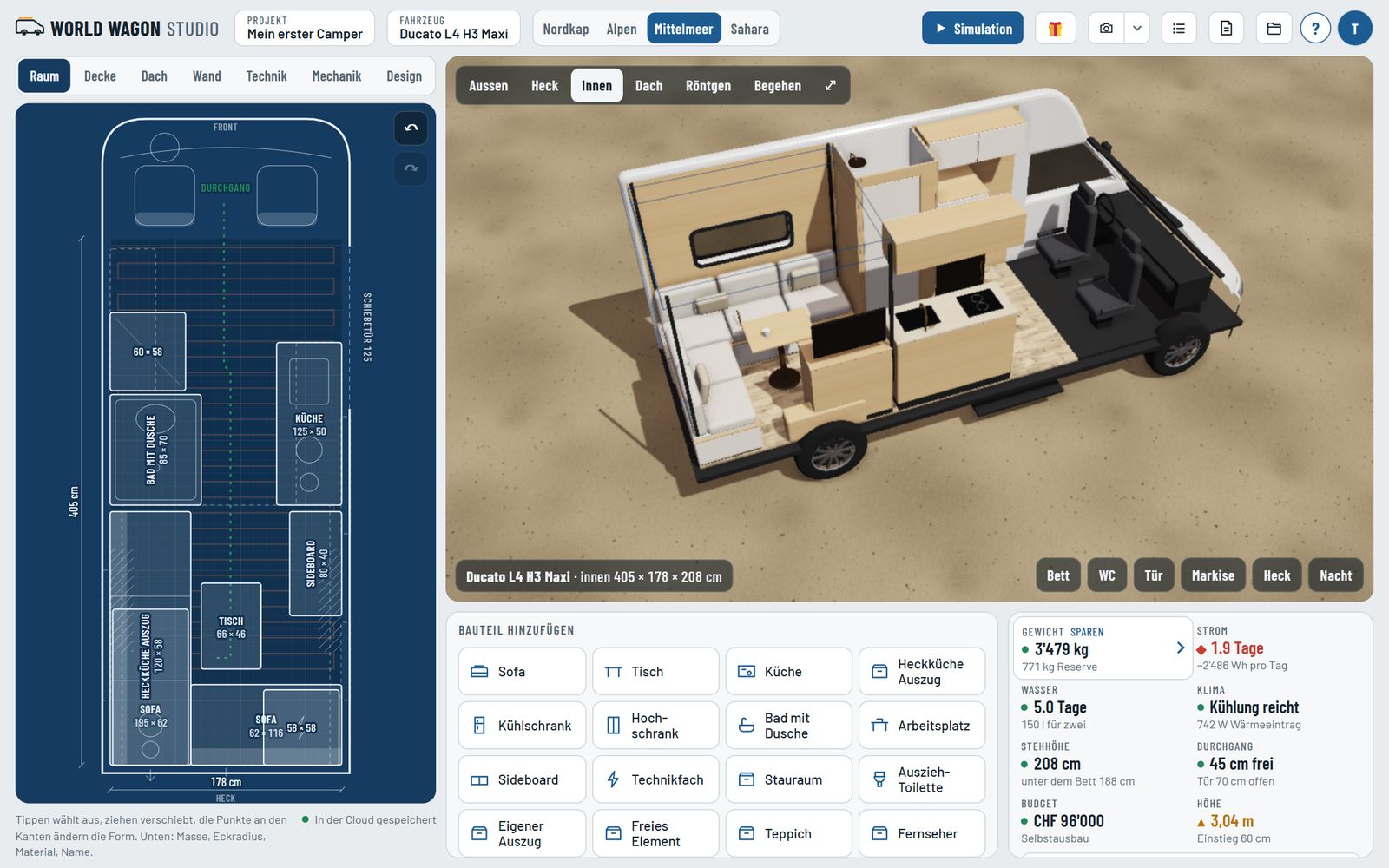
If you plan in the studio, you have the layout, the 3D view and the weight in one place. How to work out weight and axle loads is shown in campervan weight and payload, and the whole build sequence in DIY campervan conversion.
Common mistakes
- Building first, asking later. Whatever the authority wants changed, you then have to open up again.
- Furniture fixed only to the panelling. Officials want to see that cupboards and bed are held by the vehicle itself.
- Relying on old guidance. The DVLA’s external features have changed over the years; always read the current version.
- DIY gas. Without a qualified installer and a certificate you may run into trouble with insurers and buyers, and in Ireland Revenue asks for a gas installer certificate.
- Forgetting the weight. If the finished van is too close to its maximum authorised mass, there is hardly any payload left, and uprating is not always possible.
- Not telling the insurer. The value of your build may not be covered after a claim.
Frequently asked questions
Do I have to tell the DVLA about my campervan conversion?
If you want the V5C to show ‘motor caravan’, you apply to the DVLA with the checklist and photos. Other details recorded on the V5C may also need updating after a conversion. Either way, tell your insurer.
What does the DVLA need to see to class a van as a motor caravan?
Inside: seats and a table, sleeping accommodation, cooking facilities and storage, all rigidly fixed. Outside, according to the guidance updated in October 2026: two or more windows on one side of the main body, a separate door into the living area and a high-top or pop-top roof.
Does a pop-top roof count for the DVLA?
According to the DVLA guidance updated in October 2026, yes: a high-top roof or a pop-top elevating roof meets the roof requirement. Older guides may say otherwise, so check the current version before you build.
Do I need to declare a campervan conversion in Ireland?
Yes, if field J1 of your registration certificate shows category B, C or D or is empty and you convert the vehicle to a motor caravan. Revenue then classifies the vehicle and works out whether more VRT is due.
Can I drive a converted campervan over 3,500 kg on a car licence?
Normally not. A category B licence covers petrol and diesel vehicles up to 3,500 kg; UK licences from before 1997 usually include C1 up to 7,500 kg. In the EU a limit of 4,250 kg for motorhomes has been adopted, but it only applies once each country has put it into national law.